
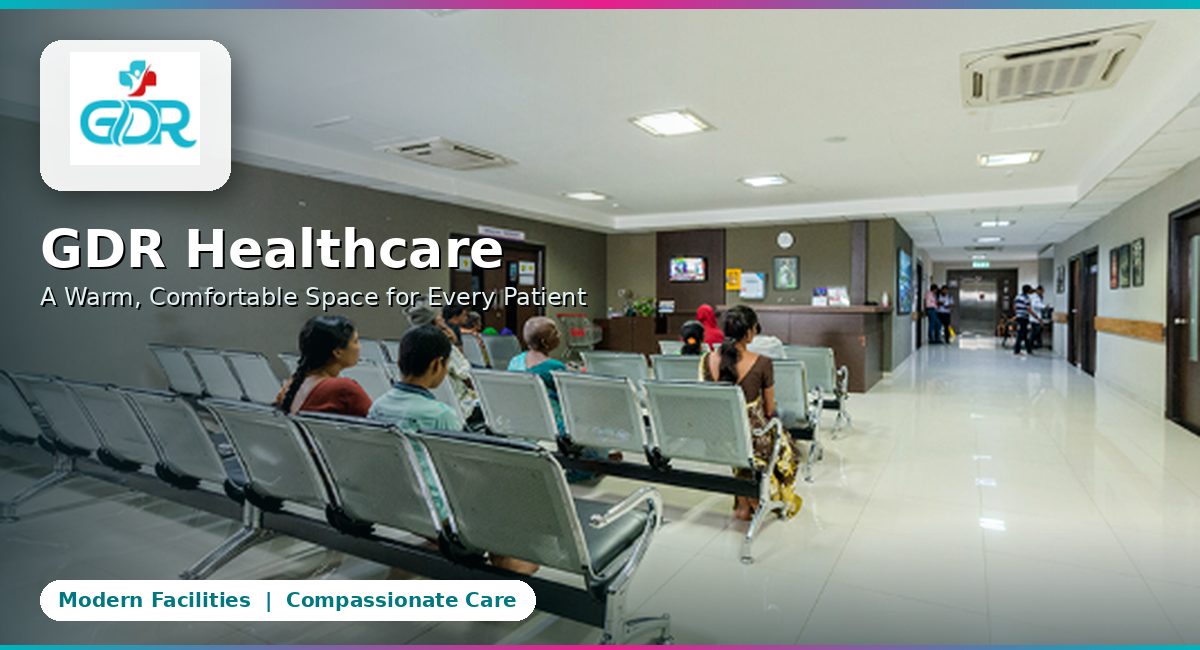
When you experience a health problem, one of the first questions that comes to mind is, “Should I visit a doctor?” Many symptoms may not require emergency care, but they should not always be ignored either. A hospital OPD (Outpatient Department) is often the right place to get timely medical advice, diagnosis, and treatment.
Knowing when to visit an OPD can help you manage health problems early and avoid complications. If you are looking for a Best Hospital in Sitapur for regular consultations and medical care, understanding how OPD services work can help you make better healthcare decisions.
What Is a Hospital OPD?
OPD stands for Outpatient Department. It is the part of a hospital where patients can consult doctors without being admitted to the hospital.
During an OPD visit, a doctor may discuss your symptoms, check your health condition, recommend tests if needed, and suggest the right treatment. OPD services are useful for both new health concerns and regular follow-up consultations.
At a modern hospital, OPD services may include consultations with doctors from different specialties, diagnostic tests, pharmacy services, and follow-up care.
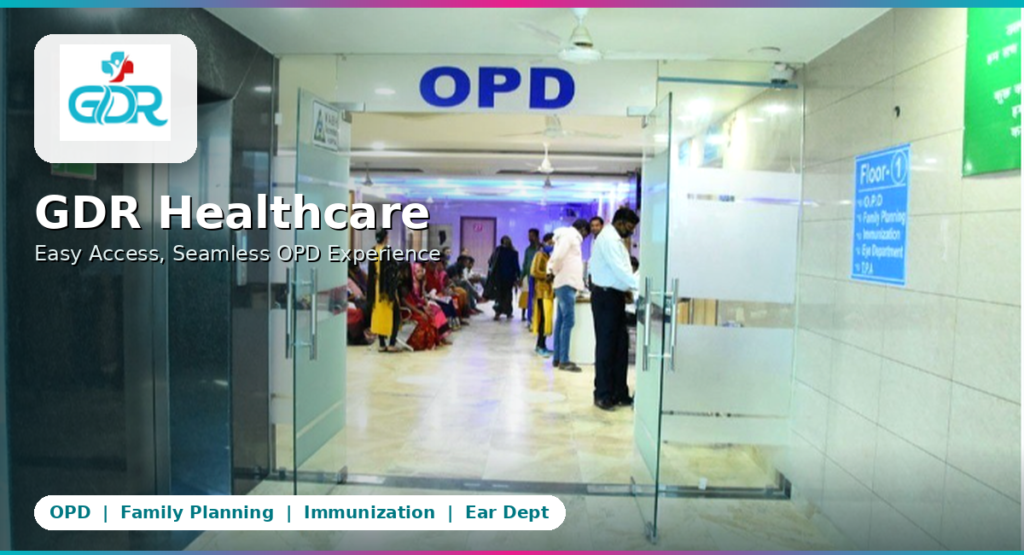
When Should You Visit a Hospital OPD?
You do not always need to wait until a health problem becomes severe before seeing a doctor. Visiting an OPD at the right time can help identify the cause of your symptoms and start appropriate treatment.
1. When Symptoms Continue for Several Days
If you have symptoms that do not improve after a few days, consider consulting a doctor. Persistent fever, cough, weakness, headache, stomach discomfort, or body pain may have different causes and may require medical evaluation.
Instead of continuing self-medication, an OPD consultation can help determine what is causing the problem.
2. When Pain Keeps Coming Back
Occasional mild pain may not always require immediate medical attention. However, repeated or persistent pain should not be ignored.
Knee pain, back pain, joint pain, abdominal pain, or frequent headaches can affect your daily activities. An OPD consultation allows the doctor to assess the symptoms and recommend appropriate treatment or tests.
3. When You Have a New Health Problem
If you notice a new or unusual health problem, visiting an OPD can help you understand what may be causing it.
Symptoms such as unexplained weight changes, frequent tiredness, dizziness, swelling, changes in appetite, or recurring infections may need a doctor’s evaluation.
4. For Regular Health Check-Ups
You do not have to wait until you feel sick to visit a doctor. Regular health check-ups can help monitor your overall health and identify certain problems early.
People with conditions such as diabetes, high blood pressure, thyroid problems, or other long-term health concerns may also need regular consultations and follow-up visits.
5. When You Need a Specialist Consultation
Sometimes your symptoms may require evaluation by a particular specialist. Depending on the problem, you may need to consult an orthopaedic doctor, physician, pulmonologist, surgeon, or another specialist.
A hospital OPD makes it easier to consult the appropriate doctor and understand the next steps for diagnosis and treatment.
What Happens During an OPD Visit?
An OPD consultation usually starts with the doctor asking about your symptoms, medical history, and any medicines you are currently taking.
The doctor may then perform a physical examination. If required, they may recommend diagnostic tests such as blood tests, X-rays, or other investigations.
After reviewing the findings, the doctor may suggest medicines, lifestyle changes, further investigations, or a follow-up consultation.
The exact process depends on your symptoms and health condition.

What Should You Bring to Your OPD Visit?
To make your consultation more useful, it is helpful to carry:
- Previous medical reports and prescriptions
- Details of medicines you are currently taking
- Recent test reports, if available
- Information about any allergies
- A list of your main symptoms and when they started
Sharing accurate information with your doctor can help them understand your condition better.
OPD or Emergency: Where Should You Go?
Not every health problem requires an emergency visit. For non-emergency concerns, an OPD consultation is generally appropriate.
However, serious or sudden symptoms should receive immediate medical attention. Severe chest pain, severe difficulty breathing, sudden loss of consciousness, signs of stroke, heavy bleeding, or serious injuries may require emergency care rather than waiting for a routine OPD appointment.
When in doubt about a serious or rapidly worsening condition, seek urgent medical help.
Why Timely OPD Consultation Matters
Delaying medical consultation can sometimes allow a health problem to become more difficult to manage. An OPD visit provides an opportunity to discuss symptoms with a qualified doctor and understand whether further tests or treatment are needed.
Timely consultation is especially important when symptoms are persistent, recurring, or affecting your normal daily activities.
Choose the Right Hospital for Your Healthcare Needs
Choosing a reliable hospital is important when you need regular consultations, diagnostic services, or specialist care. A well-equipped hospital can provide consultation, investigations, treatment, and follow-up care under one roof.
For patients searching for a Best Hospital in Sitapur, GDR Hospital provides OPD consultations along with diagnostic and other healthcare services. The hospital offers a range of medical services with experienced doctors and healthcare staff to support patients at different stages of treatment.
Conclusion
A hospital OPD is not only for people with serious illnesses. It is also an important part of routine healthcare, early diagnosis, follow-up treatment, and specialist consultation.
If your symptoms persist, pain keeps returning, you develop a new health concern, or you need regular monitoring of an existing condition, consider consulting a doctor through the OPD.
Getting the right medical advice at the right time can help you understand your health condition and take appropriate action.
Frequently Asked Questions
1. What is OPD in a hospital?
OPD stands for Outpatient Department. It is where patients consult doctors, undergo necessary evaluations, and receive treatment without being admitted to the hospital.
2. When should I visit a hospital OPD?
You should consider visiting an OPD when symptoms persist, pain keeps returning, you develop a new health concern, or you need regular follow-up or specialist consultation.
3. Do I need to be admitted after an OPD consultation?
Not necessarily. Most OPD patients return home after consultation and treatment. Hospital admission is recommended only when the doctor feels it is medically necessary.
4. Can I get tests during an OPD visit?
Depending on the hospital and your medical condition, the doctor may recommend diagnostic tests such as blood tests, X-rays, or other investigations.
5. Is OPD suitable for regular health check-ups?
Yes. OPD consultations can be useful for routine health check-ups, monitoring existing conditions, and discussing new health concerns with a doctor.