
High blood pressure can affect people of any age, including teenagers and young adults. If you are wondering, “Why is my blood pressure high at a young age?”, it is important to understand the possible causes and get timely medical advice. Consulting the Best Doctor in Sitapur can help identify the factors behind elevated blood pressure, evaluate your overall health, and guide you toward appropriate treatment and lifestyle changes.
What Is High Blood Pressure?
Blood pressure is the force of blood pushing against the walls of your arteries as your heart pumps blood throughout your body.
A blood pressure reading has two numbers:
- Systolic pressure: The pressure when your heart contracts.
- Diastolic pressure: The pressure when your heart relaxes between beats.
A consistently elevated blood pressure may indicate hypertension. However, one high reading does not necessarily mean that you have high blood pressure. Doctors usually consider multiple readings and your overall health before making a diagnosis.
If you are repeatedly getting high readings, consulting the Best Doctor in Sitapur can help identify the underlying cause and determine whether treatment is required.

Why Can Blood Pressure Be High at a Young Age?
There are several reasons why young people may develop high blood pressure. Some are related to lifestyle, while others can be associated with genetics or an underlying medical condition.
1. Unhealthy Diet
A diet high in salt, processed foods, fried foods, and sugary beverages may contribute to elevated blood pressure.
Eating more fresh fruits, vegetables, whole grains, and other nutritious foods can support better cardiovascular health.
2. Lack of Physical Activity
A sedentary lifestyle can increase the risk of weight gain and cardiovascular problems. Regular physical activity helps maintain a healthy weight and supports normal blood pressure.
Long periods of sitting, limited exercise, and spending most of the day inactive can contribute to poor heart health.
3. Being Overweight
Excess body weight can put additional pressure on the cardiovascular system. Maintaining a healthy weight through balanced nutrition and regular physical activity can help reduce several health risks, including hypertension.
4. Stress and Poor Sleep
Young adults may experience stress related to work, studies, finances, or personal responsibilities. Long-term stress can affect overall health and may contribute to unhealthy habits.
Poor sleep or an irregular sleep schedule can also affect cardiovascular health. Maintaining a consistent sleep routine is an important part of a healthy lifestyle.
5. Family History
Genetics can play a role in high blood pressure. If close family members have hypertension, you may have a higher risk of developing it yourself.
This makes regular blood pressure monitoring particularly important.
6. Smoking and Tobacco Use
Smoking and tobacco consumption can negatively affect blood vessels and cardiovascular health. Avoiding tobacco is an important step toward protecting your heart and maintaining healthy blood pressure.
7. Certain Medical Conditions
Sometimes, high blood pressure in young people may be linked to an underlying medical condition. Kidney problems, hormonal disorders, sleep-related breathing problems, and certain other conditions can contribute to hypertension.
In such cases, identifying and treating the underlying condition becomes an important part of blood pressure management.
8. Certain Medicines or Substances
Some medicines and substances may affect blood pressure. This is why it is important to tell your doctor about all prescription medicines, over-the-counter medicines, and supplements you are taking.
Never stop a prescribed medicine without speaking with your doctor first.
What Symptoms Can High Blood Pressure Cause?
One of the challenging aspects of hypertension is that many people have no obvious symptoms.
Some people with very high blood pressure may experience symptoms such as:
- Headache
- Dizziness
- Shortness of breath
- Blurred vision
- Chest discomfort
- Nosebleeds
However, these symptoms are not specific to high blood pressure. The only reliable way to know your blood pressure is to measure it properly.
If you repeatedly receive high readings, consult a qualified doctor rather than waiting for symptoms to appear.
When Should Young People Check Their Blood Pressure?
Blood pressure can be checked during routine medical visits or whenever a healthcare professional recommends monitoring.
You should pay particular attention if you have risk factors such as:
- Family history of hypertension
- Overweight or obesity
- Diabetes
- Kidney disease
- Smoking or tobacco use
- Low physical activity
- Poor dietary habits
- Persistent stress or sleep problems
Regular health check-ups can help detect elevated blood pressure early.
How Is High Blood Pressure Diagnosed?
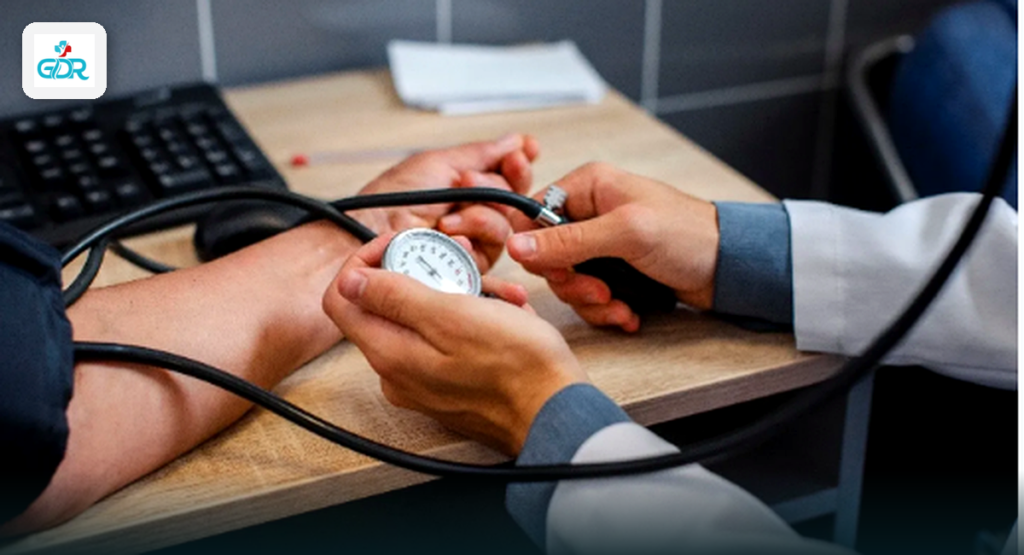
A doctor may first take your blood pressure using a properly positioned blood pressure monitor. If the reading is elevated, additional measurements may be recommended.
Depending on your age, symptoms, medical history, and blood pressure levels, your doctor may recommend further evaluation or tests to look for possible causes.
The goal is not only to lower the blood pressure but also to understand why it is elevated.
How Can You Control High Blood Pressure at a Young Age?
If your blood pressure is high, don’t panic. Many people can improve their cardiovascular health through appropriate lifestyle changes and medical care.
Helpful steps may include:
Eat a Balanced Diet
Reduce excessive salt and highly processed foods. Include more vegetables, fruits, whole grains, and other nutrient-rich foods.
Exercise Regularly
Regular physical activity can support cardiovascular health and help maintain a healthy weight. Choose activities that are suitable for your fitness level.
Maintain a Healthy Weight
If you are overweight, gradual and sustainable weight management can benefit your overall health.
Manage Stress
Try healthy stress-management techniques such as breathing exercises, meditation, hobbies, or regular physical activity.
Sleep Well
Aim for a consistent sleep routine and discuss persistent sleep problems with a healthcare professional.
Avoid Tobacco
Avoid smoking and other tobacco products to protect your heart and blood vessels.
Take Medicines as Prescribed
If your doctor recommends medication, take it exactly as prescribed. Do not change the dose or stop treatment without medical advice.
Why Early Medical Advice Matters
High blood pressure at a young age does not necessarily mean that you will have serious health problems. However, persistent hypertension can increase the long-term risk of cardiovascular and kidney-related complications.
Getting evaluated early allows your doctor to identify risk factors, look for possible underlying causes, and create an appropriate management plan.
If you are looking for the Best Doctor in Sitapur for blood pressure evaluation, choose a healthcare professional who considers your age, medical history, lifestyle, symptoms, and test results rather than focusing only on a single blood pressure reading.
Conclusion
High blood pressure can occur at any age, including during young adulthood. Lifestyle factors, family history, stress, excess weight, certain medical conditions, and some medicines can contribute to elevated blood pressure.
The important thing is not to ignore repeated high readings simply because you are young. Regular monitoring, healthy lifestyle choices, and timely medical consultation can help you manage your blood pressure effectively.
If you are experiencing repeatedly high blood pressure or have concerns about your cardiovascular health, consult a qualified healthcare professional for proper evaluation and personalized advice.
Frequently Asked Questions
1. Can a young person have high blood pressure?
Yes. High blood pressure can occur in young adults as well as older people. Lifestyle factors, genetics, certain medical conditions, and other factors can contribute to hypertension.
2. Why is my blood pressure suddenly high?
Temporary increases can occur due to stress, anxiety, physical activity, caffeine, illness, or other factors. If your readings remain high repeatedly, you should consult a healthcare professional for proper evaluation.
3. Does high blood pressure cause symptoms?
High blood pressure often has no noticeable symptoms. Some people with very high blood pressure may experience headache, dizziness, shortness of breath, or vision changes. Regular measurement is the best way to detect it.
4. Can lifestyle changes lower blood pressure?
Healthy eating, regular physical activity, maintaining a healthy weight, reducing excessive salt intake, avoiding tobacco, managing stress, and getting adequate sleep can support healthy blood pressure. Some people may also need medication.
5. When should I see a doctor for high blood pressure?
If you repeatedly get elevated blood pressure readings, consult a doctor for evaluation. If blood pressure is extremely high or is accompanied by symptoms such as chest pain, severe shortness of breath, weakness, confusion, or sudden vision problems, seek urgent medical care.