
Chemical Peel

What Is a Chemical Peel?

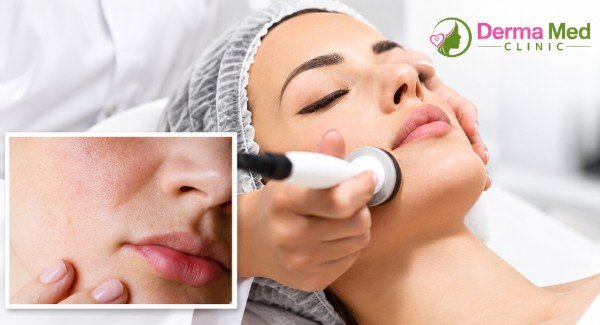
A chemical peel is a professional skin treatment that uses a selected chemical solution to exfoliate specific layers of the skin. The treatment encourages the removal of damaged or unwanted surface skin and can help improve overall skin appearance. Different peels have different strengths and are suitable for different skin concerns. The dermatologist considers factors such as skin type, sensitivity and the specific problem before selecting a peel. Professional assessment is important because the wrong peel or concentration may cause unwanted skin irritation.

Chemical Peel for Pigmentation

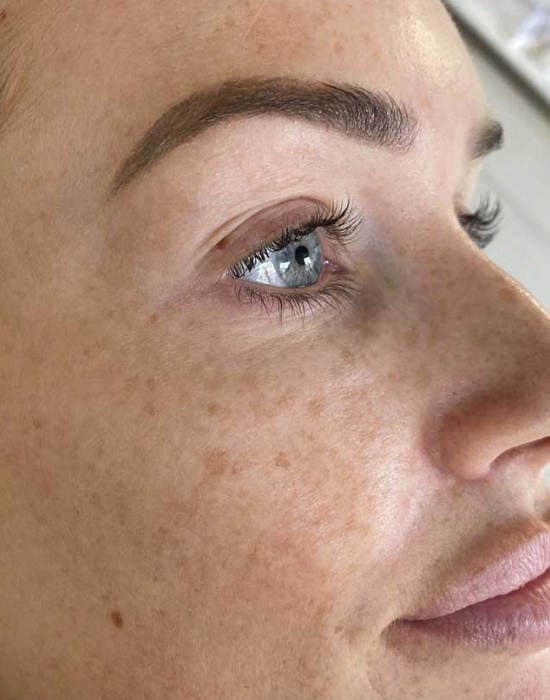
Pigmentation can appear as dark spots, uneven patches or an overall uneven skin tone. Certain chemical peels may be used as part of a dermatological approach to managing suitable pigmentation concerns. The choice of peel depends on the type and depth of pigmentation as well as the patient’s skin characteristics. Multiple sessions may sometimes be recommended depending on the condition and treatment plan. A dermatologist can first assess the pigmentation and determine whether a chemical peel is appropriate. Additional skincare or other treatments may also be recommended when required.

How Is a Chemical Peel Performed?

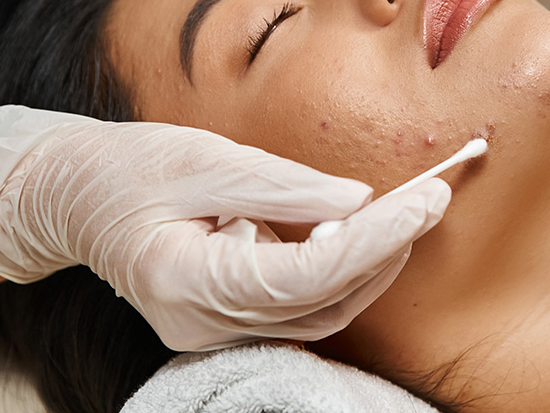
Before a chemical peel, the dermatologist evaluates the skin and discusses the specific concern being treated. The selected chemical solution is then applied to the treatment area for a controlled period according to the type of peel. Patients may experience temporary sensations such as mild tingling, warmth or irritation depending on the peel used. After the procedure, the skin may undergo temporary redness, dryness or peeling as part of the healing process. The dermatologist provides specific aftercare instructions based on the treatment performed. Following these instructions is important for proper skin care after the procedure.

Chemical Peel for Different Skin Types

Chemical peels are not one-size-fits-all treatments, and the same peel may not be appropriate for every skin type. Skin tone, sensitivity, existing pigmentation and the specific condition being treated are important factors when selecting a peel. People with sensitive or easily irritated skin may require a different treatment approach. A dermatologist can evaluate the skin before recommending the type and strength of chemical peel. Professional assessment is particularly important when treating pigmentation concerns. Treatment settings and aftercare can then be planned according to the individual’s skin requirements.

# UPDATE NEWS AND BLOGS

Stay Updated With Our Latest News And Blog
Articles

Scroll to Top