

Pigmentation Treatment

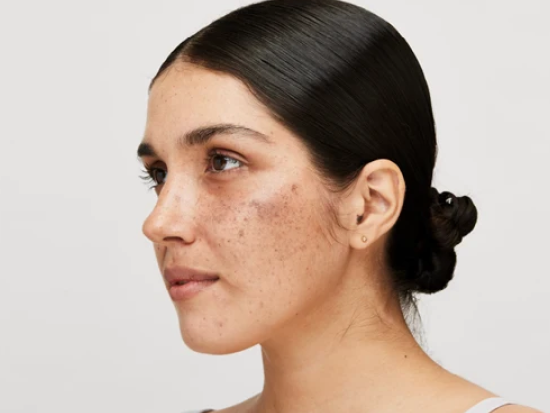
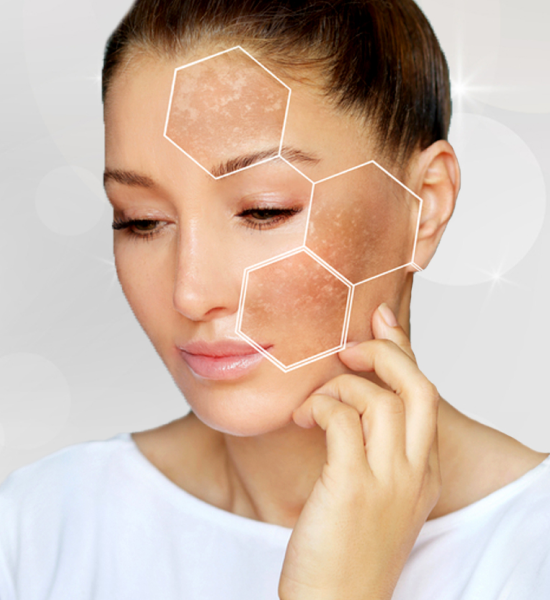
Pigmentation refers to changes in the natural colour of the skin, which may appear as dark spots, patches or an uneven skin tone. It can affect different areas of the face and body and may occur due to several factors.

At Chhatarpur Hospital, patients can consult doctors for different types of pigmentation concerns. The treatment approach is based on the type of pigmentation, its underlying cause and the individual condition of the skin.

What Is Skin Pigmentation?

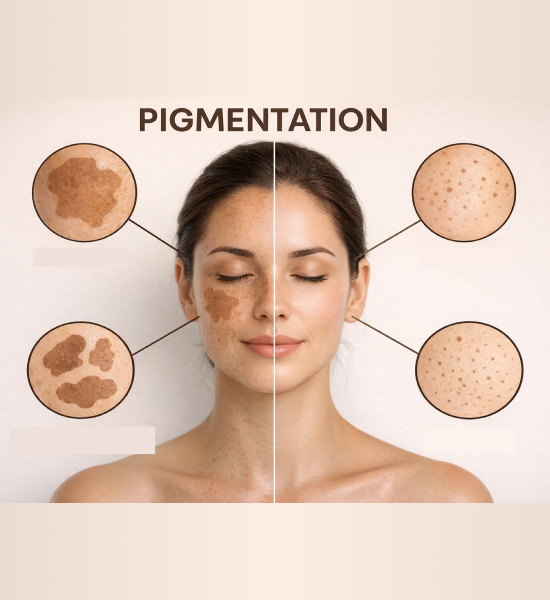
Skin pigmentation occurs when there is a change in the amount or distribution of melanin, the pigment responsible for skin colour. It may result in darker patches or spots on certain areas of the skin.


Pigmentation can develop gradually or become more noticeable over time. In some cases, it may occur after acne, inflammation or skin irritation.


Chhatarpur Hospital, patients can consult doctors for different types of pigmentation concerns. The treatment approach is based on the type of pigmentation, its underlying cause and the individual condition of the skin.

Common Types of Pigmentation

Dark Spots

Dark spots may develop on the face or other exposed areas of the body. They can be associated with factors such as sun exposure, previous skin inflammation or acne.

Melasma

Melasma can cause brown or darker patches, commonly on the face. It may be influenced by hormonal changes and sun exposure.

Post-Acne Pigmentation

Pimples may sometimes leave dark marks after they heal. These marks can gradually fade but may require appropriate skin care and treatment depending on their appearance.

Uneven Skin Tone

Some people may notice darker or lighter areas across different parts of the skin, resulting in an uneven complexion.

What Can Cause Pigmentation?

Pigmentation can have different causes and triggers, including:

  • Sun exposure
  • Hormonal changes
  • Acne and previous inflammation
  • Skin irritation
  • Certain medications
  • Age-related skin changes
  • Genetic factors
  • Previous skin conditions

Identifying the possible cause is an important part of deciding the appropriate treatment.

Pigmentation Treatment at Chhatarpur Hospital

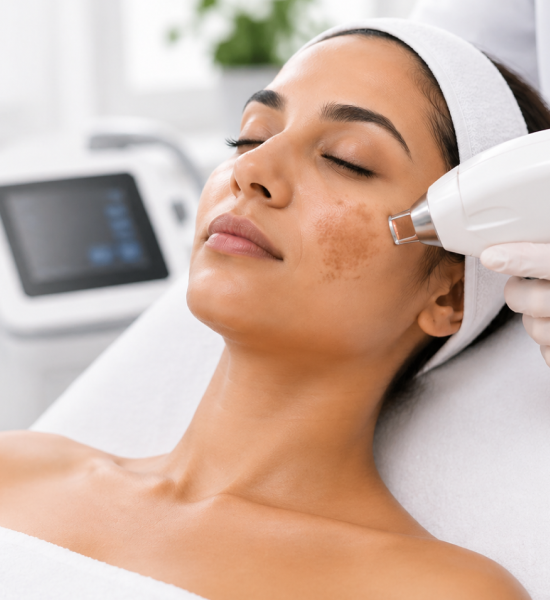
Treatment for pigmentation depends on its type, cause and severity. During consultation, the doctor evaluates the affected area and discusses the patient’s skin history and concerns.

Depending on the condition, treatment may include:

  • Prescription topical treatments
  • Skin-care recommendations
  • Chemical peels when appropriate
  • Other dermatological procedures when required
  • Sun-protection guidance
  • Follow-up monitoring

The recommended treatment can vary from patient to patient.

When Should You Consult a Doctor?

Consider consulting a doctor if:

    • Pigmentation is increasing gradually
    • Dark patches keep returning
    • Pigmentation develops suddenly
    • Acne marks are not fading
    • Pigmentation is associated with itching or irritation
    • You have tried multiple products without improvement
    • You are unsure about the cause of the pigmentation

# UPDATE NEWS AND BLOGS

Stay Updated With Our Latest News And Blog
Articles

Scroll to Top