Acne & Pimples Treatment

Acne and pimples are common skin concerns that can affect teenagers as well as adults. They may appear on the face, forehead, chest, back and other areas of the body. While occasional pimples are common, recurring or severe acne may require professional evaluation and treatment.

Understanding Acne & Pimples

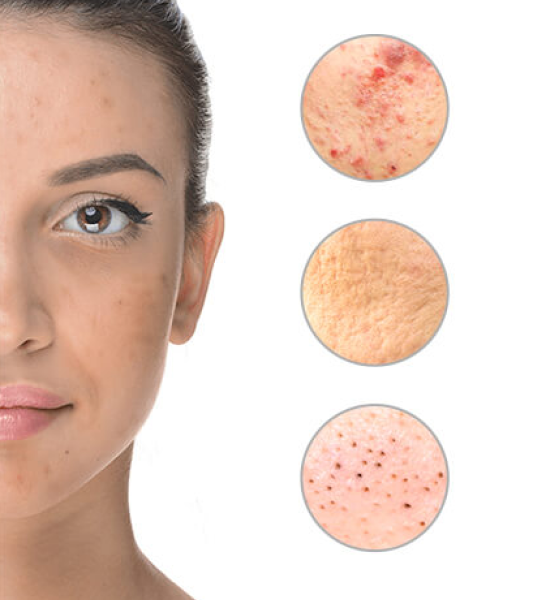
Acne develops when hair follicles and pores of the skin become clogged with oil, dead skin cells and other debris. This can result in blackheads, whiteheads, pimples and, in some cases, deeper and more painful lesions.

Acne can vary from person to person. Some people may experience occasional breakouts, while others may have recurring acne that can leave marks or scars.

Understanding the type and severity of acne is an important part of choosing an appropriate treatment approach.

Common Types of Acne

Blackheads

Blackheads are small dark spots that develop when pores become clogged. They commonly appear on the nose, forehead and other areas with more oil production.


Whiteheads

Whiteheads occur when a clogged pore remains closed. They may appear as small, raised bumps on the skin.


Pimples

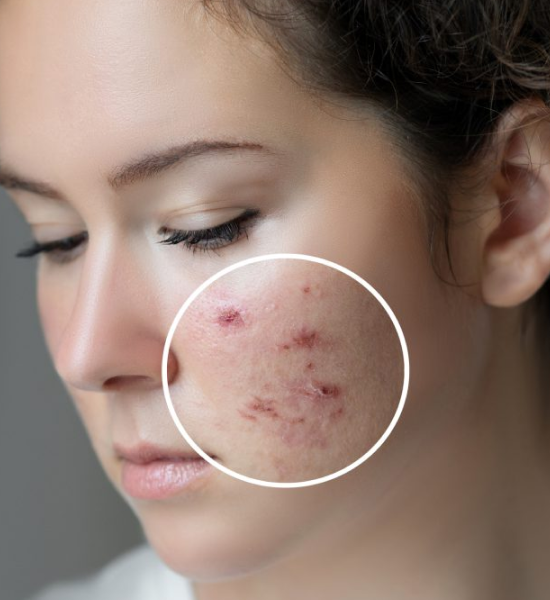
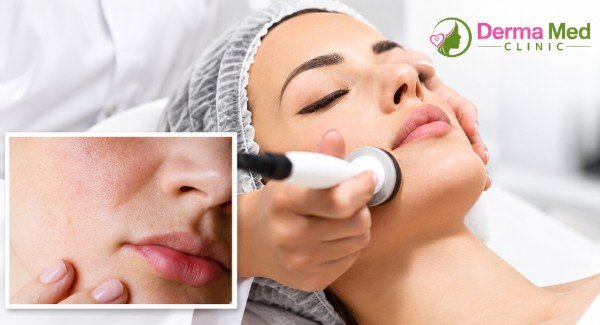
Inflamed pimples may appear as red bumps and can sometimes contain pus. Repeated breakouts may require proper skin evaluation.


Deeper Acne

Some acne can develop deeper within the skin and may be more painful or persistent. Such cases may require professional medical treatment to help manage the condition and reduce the risk of marks or scarring.

Common Causes & Triggers of Acne

Acne can be influenced by several factors, and the exact cause can vary between individuals.

Possible contributing factors include:


  • Excess oil production
  • Blocked pores
  • Hormonal changes
  • Family history
  • Certain skin and hair products
  • Stress and lifestyle factors
  • Some medications
  • Friction or pressure on the skin

Because acne can have different contributing factors, treatment should be selected according to the individual’s condition.

Acne Treatment at Chhatarpur Hospital

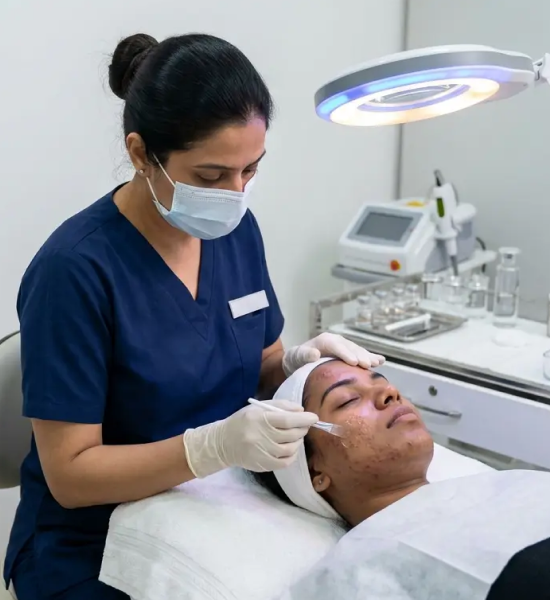
The first step in acne treatment is understanding the type and severity of the acne. During consultation, the doctor can examine the affected skin and discuss the patient’s symptoms and history.

Depending on the condition, treatment may involve:

  • Topical medicines
  • Oral medicines when required
  • Skin-care guidance
  • Management of acne-related inflammation
  • Treatment for acne marks or scars
  • Follow-up evaluation

The treatment plan may differ from one patient to another.

# UPDATE NEWS AND BLOGS

Stay Updated With Our Latest News And Blog
Articles

Scroll to Top