
Skin Allergy Treatment

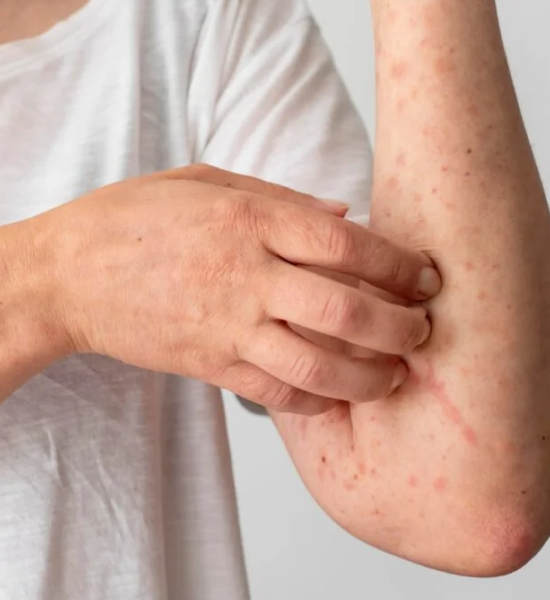
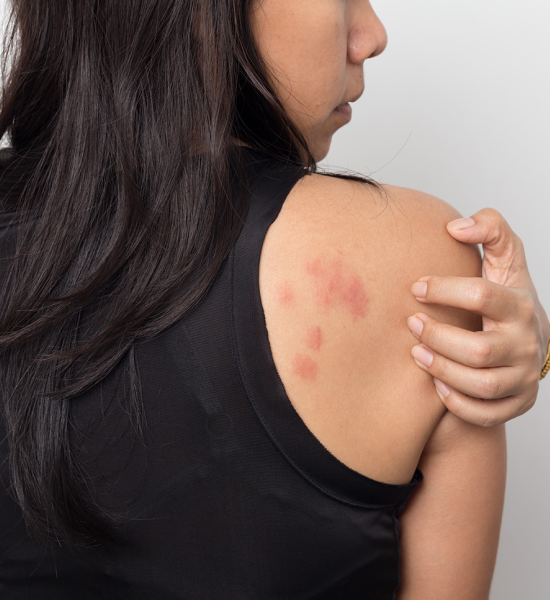
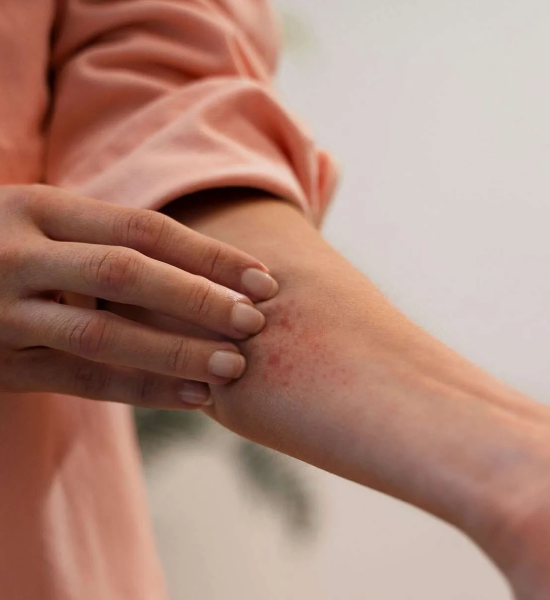
Skin allergies can cause itching, redness, rashes, swelling, dryness and irritation on different parts of the body. They may occur due to contact with certain substances, environmental factors, medications or other triggers.

At Chhatarpur Hospital, patients can consult doctors for evaluation and treatment of different types of skin allergies. The treatment approach depends on the symptoms, severity and possible cause of the allergic reaction.

What Is a Skin Allergy?

A skin allergy occurs when the skin reacts to a particular substance or trigger. It may cause itching, redness, rashes, bumps, dryness or irritation.

The reaction can develop on different parts of the body and may vary from mild to persistent. Proper evaluation can help understand the possible cause of the symptoms.

Common Symptoms of Skin Allergy

Skin allergies can appear differently depending on the individual and the type of reaction. Common symptoms include:

  • Itching
  • Redness
  • Skin rashes
  • Small bumps
  • Dryness and irritation
  • Swelling
  • Burning or discomfort
  • Flaking or scaling

Common Causes & Triggers

Skin allergies may be triggered by different substances that come into contact with the skin or are present in the surrounding environment.

Common triggers can include:

  • Soaps and cosmetics
  • Skincare products
  • Certain metals
  • Detergents
  • Fragrances
  • Dust and environmental factors
  • Certain medicines
  • Insect bites

Identifying the possible trigger can be an important part of managing recurring skin allergies.

How Is a Skin Allergy Evaluated?

During consultation, the doctor may ask about when the symptoms started, their frequency and any new products, medicines or substances you may have been exposed to.

The affected skin is examined to understand the nature and pattern of the reaction. Based on the evaluation, an appropriate treatment plan can be suggested.

Common Areas Affected by Skin Allergies

Skin allergies can occur on almost any part of the body. Commonly affected areas include:

  • Face
  • Hands
  • Neck
  • Arms
  • Legs
  • Back
  • Areas exposed to cosmetics or other products

The location of the reaction may also provide useful information about possible contact with a particular trigger.

# UPDATE NEWS AND BLOGS

Stay Updated With Our Latest News And Blog
Articles

Scroll to Top