
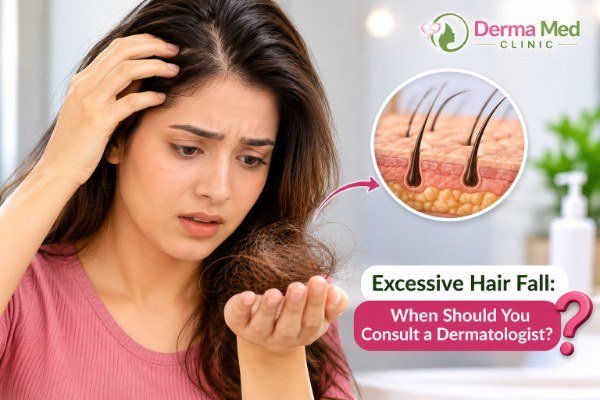
Hair fall is a common problem for both men and women. Many people lose some hair every day. But when you start losing too much hair, it can become a worry.
You may notice more hair on your pillow, in your bathroom, or on your hairbrush. Your hair may also become thin, and your scalp may start showing.
But why does hair fall happen? Is it caused by stress, poor diet, or another problem? And when should you visit a Dermatologist in Chhatarpur?
Let’s understand the common causes of hair fall, simple ways to care for your hair, and the treatments that may help.
What Is Excessive Hair Fall?
Losing some hair every day is normal. Most people lose around 50 to 100 hairs daily as part of the natural hair growth cycle.
But if you lose much more hair than usual, it may be a sign of excessive hair fall.
You may notice these signs:
- More hair falling while combing.
- Hair collecting on your pillow.
- More hair in the bathroom after washing.
- Hair becoming thinner than before.
- Your scalp becoming more visible.
- Small areas of hair loss on your head.
If you notice these changes for several weeks, consider consulting a Dermatologist in Chhatarpur to understand the reason.
What Are the Common Causes of Hair Fall?
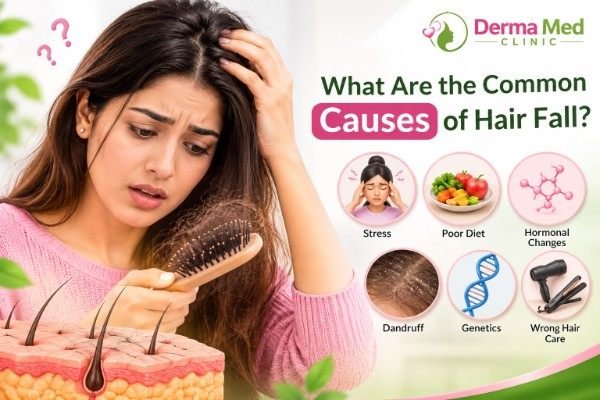
Hair fall can happen for many reasons. Finding the cause is important before starting any treatment.
1. Stress
Too much stress can affect your hair growth cycle. You may notice more hair falling after a stressful event, illness, or difficult period.
This type of hair loss is often temporary, but recovery can take time.
2. Poor Diet
Your hair needs proper nutrition to grow. Not getting enough protein, iron, or other important nutrients may contribute to hair loss.
Try to eat a balanced diet with vegetables, fruits, pulses, nuts, and protein-rich foods.
3. Hormonal Changes
Hormonal changes can affect hair growth in both men and women.
Conditions such as thyroid problems and hormonal changes after pregnancy may also cause hair fall.
4. Dandruff and Scalp Problems
Dandruff can cause itching and irritation. Some scalp conditions can also affect hair health.
Avoid scratching your scalp too much. If you have itching, redness, or scaling, get your scalp checked.
5. Family History
Hair thinning can run in families. This is called genetic hair loss.
It may happen slowly over time and can affect both men and women.
6. Wrong Hair Care Habits
Using too much heat, pulling your hair tightly, and frequent chemical treatments can damage your hair.
Be gentle while combing and avoid hairstyles that pull your hair too tightly.
When Should You Consult a Dermatologist?
Sometimes hair fall gets better on its own. But you should not ignore it if it continues or becomes severe.
You should visit a Dermatologist in Chhatarpur if:
- You notice sudden or heavy hair fall.
- Your hair becomes thinner every month.
- You see small bald patches on your scalp.
- Your scalp feels itchy, painful, or red.
- You have hair fall along with dandruff or scaling.
- Your hair does not improve despite proper care.
- You notice hair loss after an illness or major health change.
A skin doctor can examine your scalp and help find the cause of your hair loss.
How Is Hair Fall Diagnosed?
Before starting treatment, the doctor needs to understand why your hair is falling.
The doctor may:
- Ask when your hair fall started.
- Check your scalp and hair roots.
- Ask about your diet and daily routine.
- Ask about family history of hair loss.
- Suggest blood tests if needed.
Tests may include checking iron levels, thyroid function, or other nutrients depending on your symptoms.
A proper check-up helps the doctor choose the right treatment.
What Are the Treatment Options for Hair Fall?

Hair fall treatment depends on its cause. There is no single treatment that works for everyone.
Here are some options a Dermatologist in Chhatarpur may discuss after checking your hair and scalp.
1. Medicines for Hair Fall
Some medicines can help reduce hair loss and support hair growth.
For example, minoxidil may be recommended for certain types of hair loss. It should be used according to medical advice.
2. GFC Hair Treatment
GFC stands for Growth Factor Concentrate.
It is a hair treatment that uses growth factors prepared from a person’s own blood. These growth factors are used in the scalp as part of a treatment plan.
GFC may be considered for selected patients with certain types of hair thinning. Results can vary from person to person.
3. Mesotherapy
Mesotherapy involves placing selected substances into the skin of the scalp using small injections.
It is offered for some hair concerns, but the evidence for its effectiveness varies. A doctor should explain its benefits, limitations, and possible risks before treatment.
4. Treatment for Scalp Problems
If hair fall is linked to dandruff, infection, or another scalp condition, treating that problem is important.
The doctor may recommend medicated shampoos, creams, or other medicines depending on the diagnosis.
5. Treatment for Nutritional Deficiencies
If tests show that you have a nutritional deficiency, the doctor may suggest changes in your diet or suitable supplements.
Do not take hair supplements without knowing whether your body needs them.
Simple Tips to Reduce Hair Fall
You can follow some simple habits to support healthy hair.
- Eat healthy and balanced meals.
- Include enough protein in your diet.
- Drink enough water.
- Sleep well every night.
- Avoid tight hairstyles.
- Do not use too much heat on your hair.
- Use a gentle shampoo suitable for your scalp.
- Avoid scratching your scalp.
- Manage stress with regular exercise and relaxation.
Remember, these habits can support hair health, but they may not treat every cause of hair loss.
Hair Fall Treatment at DERMAMED Clinic, Chhatarpur

If you are worried about hair thinning or excessive hair fall, getting the right advice is important.
At DERMAMED Clinic, Chhatarpur, you can consult Dr. Shalini Kushwaha, dermatologist, for your skin, hair, and scalp concerns.
If you are searching for a Dermatologist in Chhatarpur, a consultation can help you understand the reason for your hair fall and explore suitable treatment options.
Depending on your condition, treatment may include medicines, scalp care, GFC therapy, or other options recommended after examination.
Every person’s hair is different. Therefore, treatment should be planned according to individual needs.
Conclusion
Hair fall is a common problem, but excessive hair loss should not be ignored. Stress, poor nutrition, hormonal changes, family history, and scalp problems can all affect hair growth.
The first step is to find out why your hair is falling. Avoid trying random oils, shampoos, and medicines without proper advice.
If you notice continuous hair fall, thinning, or bald patches, consult a Dermatologist in Chhatarpur for a proper check-up.
With the right diagnosis, suitable treatment, and healthy hair care habits, you can take better care of your hair.
3. Frequently Asked Questions (FAQs)
1. How much hair fall is normal in a day?
Losing around 50–100 hairs per day is generally normal. However, losing much more hair than usual may need attention.
2. What are the main causes of excessive hair fall?
Common causes include stress, poor nutrition, hormonal changes, thyroid problems, family history, and scalp conditions.
3. Can GFC treatment help with hair fall?
GFC may help selected people with certain types of hair thinning. Results vary, and a dermatologist should first check whether it is suitable.
4. When should I visit a skin doctor for hair fall?
Visit a dermatologist if you have continuous hair fall, sudden hair loss, bald patches, or visible thinning.
5. Can poor diet cause hair fall?
Yes. A lack of important nutrients, such as iron and protein, may contribute to hair loss. A balanced diet supports healthy hair growth.
6. Where can I consult a Dermatologist in Chhatarpur for hair fall?
You can visit DERMAMED Clinic in Chhatarpur and consult Dr. Shalini Kushwaha for an assessment of your hair and scalp concerns.