
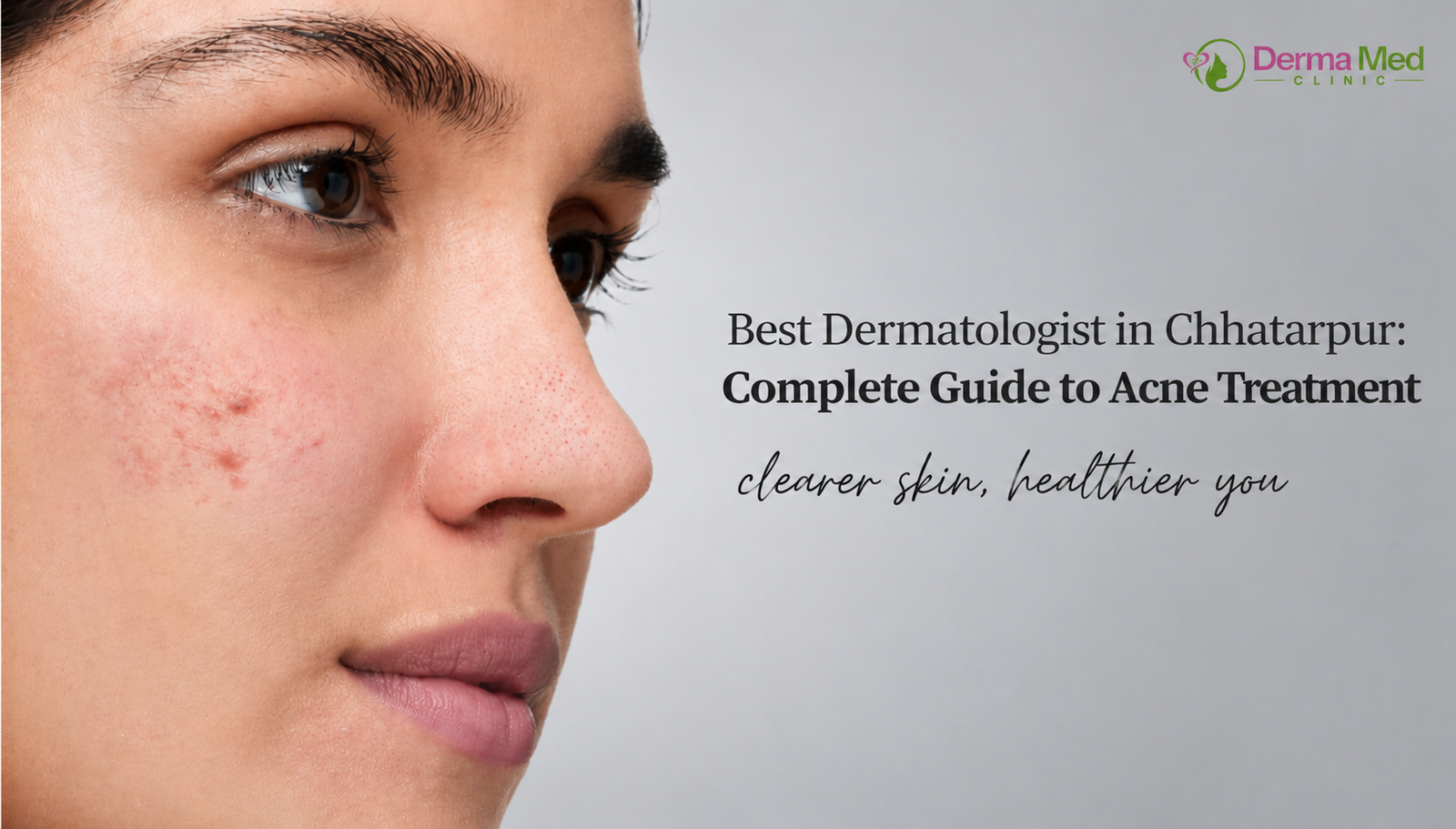
Acne is one of the most common skin concerns among teenagers and adults. Pimples, blackheads, whiteheads, oily skin, and painful breakouts can affect both appearance and confidence. Although occasional acne may improve with a simple skincare routine, persistent or severe acne may need professional evaluation.
Consulting the Best Dermatologist in Chhatarpur can help you understand the underlying causes of your acne and choose a treatment plan suitable for your skin type and condition.
What Causes Acne?
Acne develops when hair follicles become clogged with oil and dead skin cells. Increased oil production, hormonal changes, bacteria, and inflammation can contribute to breakouts. Genetics can also play a role.
Certain skincare or hair-care products may clog pores in some people. Stress and some medications can also influence acne. However, acne is not simply caused by having “dirty” skin, and excessive washing can sometimes irritate the skin further.
A dermatologist can examine your skin and determine the severity and type of acne before recommending appropriate treatment.
Different Types of Acne
Acne can appear in several forms, ranging from mild clogged pores to deeper, painful lesions.
Blackheads: Open clogged pores that appear dark on the surface.
Whiteheads: Closed clogged pores that usually appear as small, skin-coloured or white bumps.
Papules: Small, red, inflamed bumps that can be tender.
Pustules: Inflamed pimples containing pus.
Nodules: Large, firm and painful lesions that develop deeper within the skin.
Cysts: Deep and painful acne lesions that may increase the risk of permanent scarring.
Identifying the type of acne is important because different forms may require different treatment approaches.
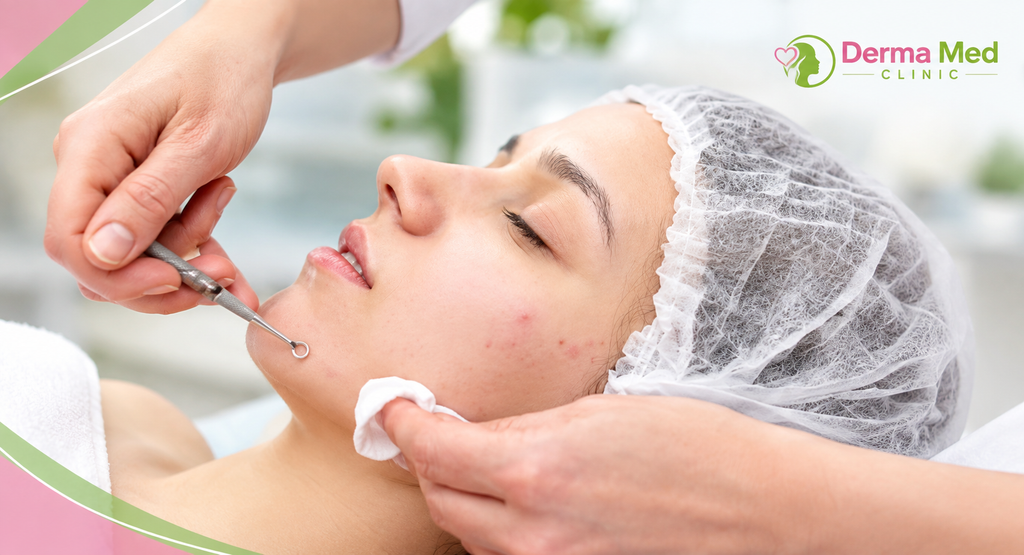
Acne Treatment Options
There is no single acne treatment that works for everyone. Treatment depends on the severity of acne, skin type, age, medical history, and whether scarring or pigmentation is present.
1. Topical Treatments
Mild to moderate acne may be treated with topical products containing ingredients such as benzoyl peroxide, retinoids, salicylic acid, or azelaic acid.
These ingredients can help unclog pores, reduce inflammation, and prevent new breakouts. However, some acne medicines can cause dryness or irritation, so they should be introduced appropriately.
2. Prescription Treatment
Moderate or persistent acne may require prescription medicines. Depending on the patient’s condition, a dermatologist may recommend topical or oral medications.
Oral antibiotics may sometimes be used for inflammatory acne, but they should be taken only under medical guidance. Appropriate treatment helps reduce unnecessary antibiotic exposure and resistance.
3. Treatment for Severe Acne
Deep, painful, or nodular acne can increase the possibility of scarring. If conventional treatments are not effective, a dermatologist may consider other prescription options.
Isotretinoin is one such treatment for certain severe forms of acne, but it requires careful medical supervision because it has important safety considerations and is not suitable for everyone.
Can Acne Cause Scars?
Yes. Severe acne and repeated picking or squeezing can increase the risk of acne scars and dark marks.
Trying to pop pimples may worsen inflammation and potentially delay healing. If acne is repeatedly leaving marks or scars, professional treatment can help control active acne and reduce the risk of further skin damage.
Acne scars may also require separate treatments after active acne has been controlled. Depending on the type of scar, options may include procedures such as chemical peels, microneedling, or laser-based treatments.
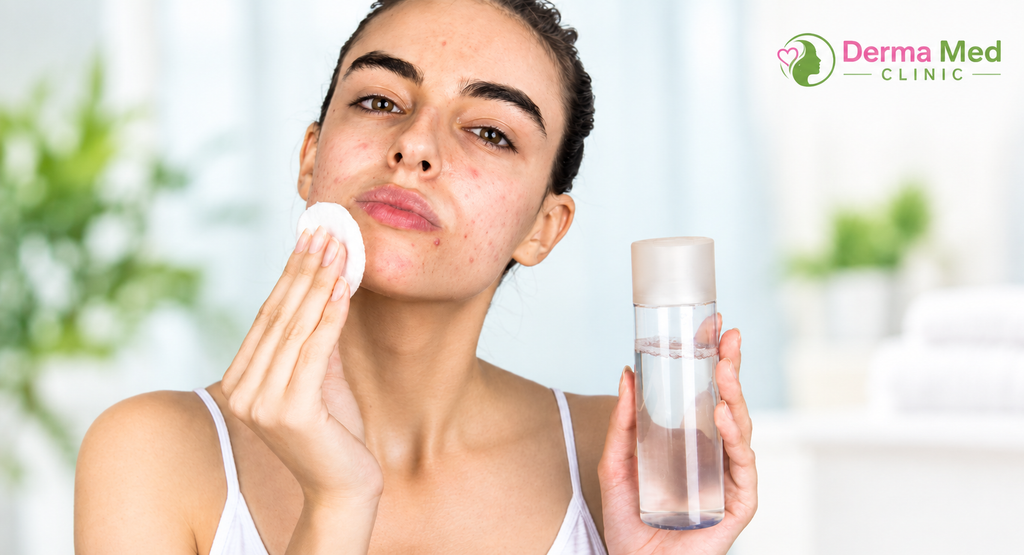
Skincare Tips for Acne-Prone Skin
A simple and consistent skincare routine can support acne treatment.
- Cleanse the face gently without excessive scrubbing.
- Use a suitable, non-comedogenic moisturiser.
- Apply broad-spectrum sunscreen during the day.
- Avoid frequently touching or squeezing pimples.
- Avoid harsh scrubs and unnecessary exfoliation.
- Choose skincare and makeup products that are less likely to clog pores.
- Follow prescribed treatments consistently.
It is also important to give acne treatments enough time to work. Frequently changing products can irritate the skin and make it difficult to understand which treatment is helping.
When Should You Visit a Dermatologist?
Consider consulting a dermatologist if acne is persistent, painful, severe, or leaving scars and dark spots. Professional advice is especially important when large, deep pimples are present or when over-the-counter skincare has not provided improvement.
A dermatologist can assess your skin and create a personalised treatment plan instead of relying on random products or home remedies.
Why Professional Acne Treatment Matters
Acne can have different causes and levels of severity, so treatment should be personalised. The Best Dermatologist in Chhatarpur can evaluate your skin condition, identify possible contributing factors, and recommend appropriate treatment options.
The goal of acne management is not only to reduce existing pimples but also to prevent new breakouts and minimise the possibility of long-term scarring.
With proper diagnosis, consistent skincare, and suitable medical treatment, acne can be managed more effectively.
Conclusion
Acne is common, but persistent breakouts should not be ignored. Understanding your acne type and following an appropriate treatment plan can help improve your skin and reduce the risk of scarring.
If you are experiencing recurring pimples, painful acne, acne marks, or scars, consulting the Best Dermatologist in Chhatarpur can help you understand your condition and choose suitable treatment options for healthier-looking skin.
Frequently Asked Questions (FAQs)
1. What is the best treatment for acne?
The right treatment depends on the type and severity of acne. A dermatologist may recommend topical medicines, prescription treatments, or a combination of approaches.
2. How long does acne treatment take to work?
Acne treatment usually takes several weeks to show noticeable improvement. Consistency is important, and treatment should be continued according to professional guidance.
3. Should I pop my pimples?
It is better to avoid squeezing or popping pimples because it can increase inflammation and may contribute to pigmentation or scarring.
4. Can adults develop acne?
Yes. Acne can affect adults as well as teenagers. Hormonal changes, genetics, skincare products, stress, and other factors can contribute to adult acne.
5. When should I see a dermatologist for acne?
You should consider seeing a dermatologist if your acne is persistent, painful, severe, leaving scars, or not improving with a suitable skincare routine.