
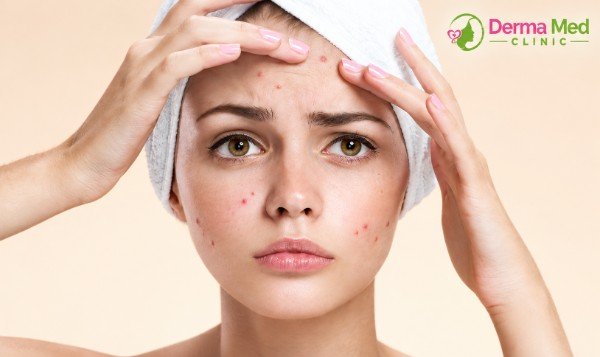
Acne, pimples, and acne scars are common skin concerns that affect teenagers and adults alike. They can appear on the face, forehead, chest, shoulders, and back. While occasional pimples may improve with a suitable skincare routine, persistent acne, painful breakouts, and dark marks may require professional attention.
If you are experiencing recurring acne or stubborn acne scars, consulting the Best Skin Specialist in Chhatarpur can help you understand your skin condition and explore appropriate treatment options. Early assessment can help control breakouts and reduce the risk of long-term scarring.
What Causes Acne and Pimples?
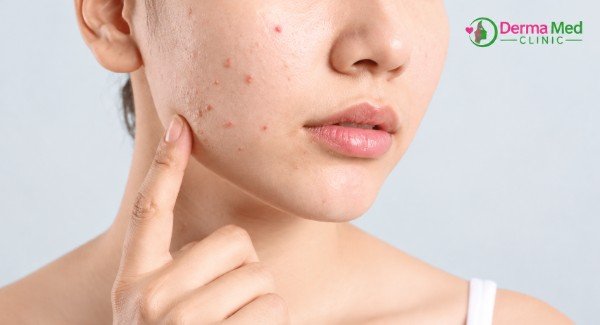
Acne develops when hair follicles become clogged with excess oil (sebum), dead skin cells, and sometimes bacteria. Hormonal changes can increase oil production, making acne more likely.
Common factors associated with acne include:
- Hormonal changes: Puberty, menstrual cycles, and other hormonal fluctuations may trigger breakouts.
- Excess oil production: Oily skin can contribute to clogged pores.
- Blocked pores: Dead skin cells and sebum can lead to blackheads, whiteheads, and pimples.
- Genetics: A family history of acne may increase the likelihood of developing it.
- Certain skincare products: Heavy or pore-clogging products may worsen breakouts in some people.
- Stress: Stress may aggravate acne in some individuals, although it is not the only cause.
Eating habits and lifestyle can also influence acne in some people, but acne is not simply caused by poor hygiene. Washing your face excessively or scrubbing it harshly may irritate the skin and make symptoms worse.
Different Types of Acne
Understanding the type of acne you have can help determine which treatment may be suitable.
1. Whiteheads and Blackheads
These are non-inflammatory forms of acne that develop when pores become clogged. Whiteheads remain closed, while blackheads have an open surface that appears dark.
2. Red Pimples
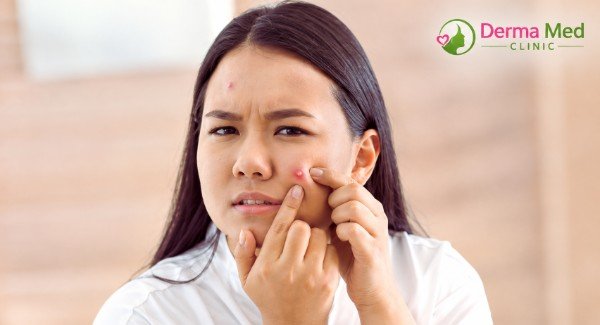
Inflamed pimples may appear red, swollen, and tender. Picking or squeezing them can increase inflammation and the risk of marks.
3. Pustules
These pimples contain visible pus and may develop around inflamed follicles. They should not be squeezed at home.
4. Cystic or Nodular Acne
Deep, painful lumps beneath the skin may indicate severe inflammatory acne. This type has a greater risk of permanent scarring and should be assessed by a qualified dermatologist.
When Should You Consult a Skin Specialist?
Not every pimple requires a clinic visit, but some symptoms indicate that professional evaluation may be beneficial.
Consider consulting a dermatologist if:
- Your acne continues to return despite a consistent skincare routine.
- You develop painful, deep, or widespread pimples.
- Acne leaves dark spots, uneven skin tone, or depressed scars.
- Breakouts affect your confidence or emotional well-being.
- Over-the-counter products cause irritation or fail to improve your symptoms.
- Acne suddenly becomes severe or starts in adulthood without an obvious explanation.
A consultation with the Best Skin Specialist in Chhatarpur can help identify the type and severity of acne and determine whether prescription treatment or an in-clinic procedure is appropriate.
What Acne Treatments Are Available?
Acne treatment depends on the type of lesions, severity, skin sensitivity, medical history, and risk of scarring. There is no single treatment that works for everyone.
1. Topical Treatments
Depending on the diagnosis, a dermatologist may recommend topical retinoids, benzoyl peroxide, azelaic acid, or other suitable medications. These treatments can help unclog pores, reduce inflammation, and control new breakouts.
Some products can cause dryness or irritation, so they should be introduced according to professional guidance.
2. Oral Medications
For moderate to severe acne, a dermatologist may consider oral medication when appropriate. Options can include certain antibiotics or hormonal treatments for selected patients. Oral isotretinoin may be considered for severe or treatment-resistant acne under close medical supervision.
These medicines are not suitable for everyone and may require specific precautions and monitoring.
3. Chemical Peels
Certain chemical peels may help selected patients with acne, clogged pores, and post-acne pigmentation. The type and strength of the peel should be chosen according to skin type and the condition being treated.
4. Treatments for Acne Scars
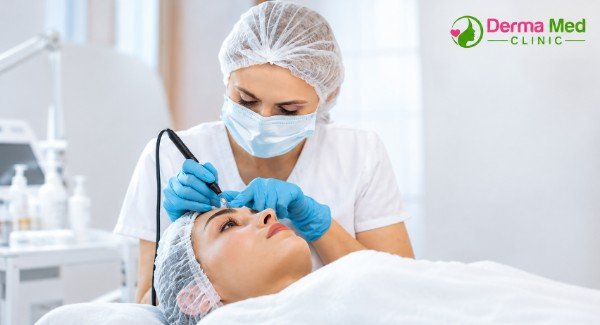
Once active acne is controlled, a dermatologist may discuss procedures for suitable scars. Options can include microneedling, selected laser procedures, subcision, or other treatments based on scar type and skin characteristics.
Results vary, and several sessions may be needed. Not every procedure is suitable for every skin type.
How Can You Reduce Acne Marks and Scars?
Acne marks and scars are different. Flat red, brown, or dark marks may gradually fade, while scars can cause depressions or raised areas in the skin.
To support skin recovery:
- Avoid squeezing, scratching, or picking pimples.
- Use a gentle cleanser and a non-comedogenic moisturiser.
- Apply broad-spectrum sunscreen with SPF 30 or higher during the day.
- Follow acne treatment consistently, as improvement may take several weeks.
- Seek professional advice before using strong exfoliants, bleaching products, or multiple active ingredients together.
Sun protection is especially important when dealing with post-acne pigmentation because sunlight can make dark marks more noticeable.
How to Prevent Future Breakouts
A simple and consistent skincare routine can help reduce irritation and support acne management.
Cleanse your face gently twice a day and after heavy sweating. Choose products labelled non-comedogenic when possible. Avoid harsh scrubs, frequent product changes, and home remedies that may irritate the skin.
Do not stop a prescribed treatment as soon as your pimples improve without discussing it with your dermatologist. Maintenance treatment may be recommended to reduce the risk of recurrence.
Remember that acne can have several contributing factors. If breakouts continue despite good skincare habits, professional assessment is more useful than repeatedly trying unverified remedies.
Why Choose a Dermatologist for Acne Treatment in Chhatarpur?
Acne can look similar from one person to another, but the underlying severity and treatment needs may differ. A qualified dermatologist can assess your skin, review your symptoms, identify possible triggers, and recommend a personalised treatment plan.
If you are searching for the Best Skin Specialist in Chhatarpur, look for a qualified professional who explains the diagnosis, discusses the benefits and risks of treatment, and sets realistic expectations about results.
At DERMAMED Clinic in Chhatarpur, patients can seek dermatology consultation for skin concerns and discuss suitable care options with Dr. Shalini Kushwaha, dermatologist. Treatment recommendations should be based on an individual skin assessment rather than a one-size-fits-all approach.
Conclusion
Acne, pimples, and acne scars can affect both skin health and confidence, but suitable treatment can help manage breakouts and improve the appearance of acne-related marks. The right approach depends on the type of acne, its severity, and your skin’s individual needs.
If your pimples are persistent, painful, or leaving scars, consider consulting the Best Skin Specialist in Chhatarpur for a professional evaluation. Starting appropriate treatment early may help reduce complications and support healthier-looking skin over time.
Frequently Asked Questions (FAQs)
1. Who is the Best Skin Specialist in Chhatarpur for acne treatment?
The right skin specialist is a qualified dermatologist who can assess your acne, identify its severity, and recommend suitable treatment. Your choice should be based on qualifications, experience, and an individual consultation.
2. When should I consult a dermatologist for pimples?
Consult a dermatologist if pimples are persistent, painful, widespread, leaving scars, or not improving with appropriate skincare.
3. Can acne scars be removed completely?
Some acne scars can improve significantly with suitable treatment, but complete removal is not guaranteed. Results depend on the scar type, depth, skin characteristics, and chosen procedure.
4. How long does acne treatment take to show results?
Many acne treatments require around 6–8 weeks before noticeable improvement, although some cases need several months of treatment and follow-up.
5. Can acne and pigmentation be treated together?
Yes, a dermatologist may create a plan to manage active acne and post-acne pigmentation. The treatment sequence depends on your skin condition, and controlling active acne is often an important first step.