
Tattoos are often a way to express personality, memories, or personal style. However, preferences can change over time, and some people may wish to remove an unwanted tattoo. Whether it is an old design, a name, or a tattoo that no longer reflects your lifestyle, laser treatment is one of the most commonly used methods for tattoo removal.
If you are searching for tattoo removal laser in Chhatarpur, understanding the treatment process, safety precautions, number of sessions, and aftercare can help you make an informed decision. Consulting a qualified dermatologist can help you determine the most suitable treatment approach for your skin and tattoo.
What Is Laser Tattoo Removal?
Laser tattoo removal is a dermatological procedure that uses concentrated pulses of light energy to break tattoo ink into smaller particles. The body’s immune system gradually processes and removes these particles over time.
Different tattoos contain different types of ink, colours, and pigment depths. Therefore, the treatment approach depends on the characteristics of the tattoo and the individual’s skin.
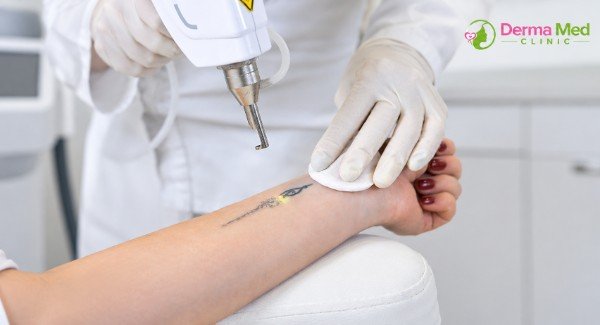
Modern laser technologies can target tattoo pigments while limiting damage to the surrounding skin when used appropriately. However, complete removal is not guaranteed, and some tattoos may leave faint marks or residual pigmentation.
How Does Laser Tattoo Removal Work?
Laser tattoo removal works by directing controlled pulses of laser energy toward the tattoo pigment beneath the skin.
The treatment generally involves the following steps:
A dermatologist examines the tattoo’s size, location, colours, age, and depth. Your skin type, medical history, and previous tattoo treatments may also influence the treatment plan.
2. Selection of Suitable Laser Settings
The laser wavelength and settings are selected according to the tattoo pigment and skin characteristics. Appropriate settings are particularly important for Indian skin tones because excessive laser energy can increase the risk of pigmentation changes.
3. Laser Treatment
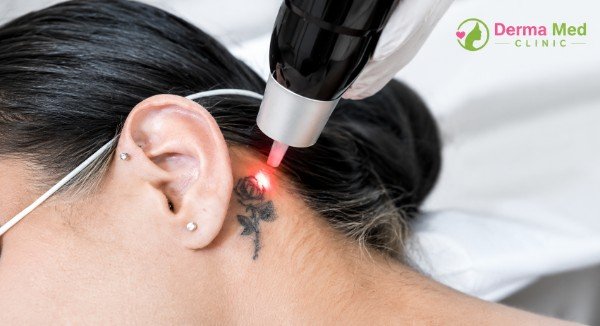
The laser delivers short pulses of energy to the tattooed area. You may experience a snapping sensation or mild discomfort during the procedure. Cooling methods or suitable pain-management options may be used to improve comfort.
4. Natural Pigment Clearance
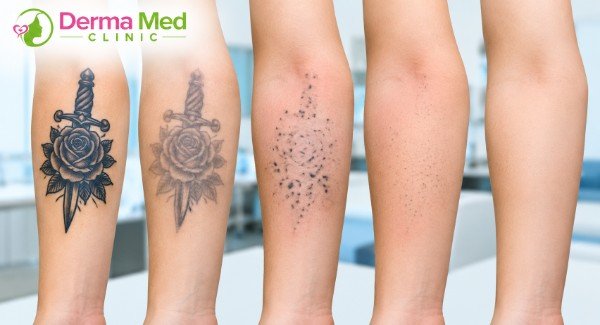
After treatment, the body’s immune system gradually clears the fragmented ink particles. This process takes time, so the tattoo generally fades over several weeks rather than disappearing immediately.
If you are considering tattoo removal laser in Chhatarpur, a professional assessment can help determine whether laser treatment is appropriate for your tattoo.
Who Can Consider Laser Tattoo Removal?
Laser tattoo removal may be suitable for people who want to fade or remove unwanted tattoos for personal, professional, or cosmetic reasons.
You may consider a consultation if you have:
- An unwanted name or design tattoo.
- An old tattoo that no longer matches your preferences.
- A tattoo that you want to lighten before getting a new design.
- A tattoo with faded or uneven ink.
- A tattoo that affects your personal confidence.
However, not every tattoo responds equally well to laser treatment. Certain ink colours, deeper pigments, and previously treated tattoos may require a more individualized approach.
A dermatologist can evaluate your skin and explain the likely benefits, limitations, and risks before treatment begins.
How Many Sessions Are Required for Tattoo Removal?
The number of sessions depends on several factors, including the tattoo’s size, ink colour, pigment depth, location, and age. Professional tattoos may require more sessions because their ink is often placed more deeply and evenly than amateur tattoos.
Other factors that can influence the number of sessions include:
- Black versus coloured ink.
- Tattoo density and layering.
- Individual immune response.
- Skin type and healing characteristics.
- Previous laser treatments.
- The laser technology used.
Multiple sessions are usually necessary, with recovery intervals between treatments. Your dermatologist will recommend an appropriate schedule based on your skin’s response.
It is important to avoid repeated treatments at unnecessarily short intervals, as the skin needs sufficient time to heal and clear the fragmented pigment.
Is Laser Tattoo Removal Safe for Indian Skin?
Indian skin can have varying levels of melanin, which influences how the skin responds to laser energy. Although laser tattoo removal can be performed on Indian skin, selecting suitable equipment and treatment settings is essential.
Potential side effects include temporary redness, swelling, blistering, changes in skin pigmentation, and, less commonly, scarring.
To help reduce these risks:
- Choose a qualified dermatologist experienced in laser procedures.
- Discuss your skin type and history of pigmentation problems.
- Follow the recommended sun-protection instructions.
- Avoid tanning before and after treatment.
- Follow all wound-care and aftercare instructions.
- Report unusual pain, worsening redness, or signs of infection promptly.
A patch test may be appropriate in some cases. However, even with careful treatment, pigmentation changes and other complications cannot be completely ruled out.
If you are exploring tattoo removal laser in Chhatarpur, prioritize a proper skin assessment and a treatment plan tailored to your individual needs.
What Factors Affect Laser Tattoo Removal Results?
Laser tattoo removal results vary from person to person. Several factors determine how much a tattoo fades and how long the process takes.
Tattoo Colour: Black and dark-blue pigments often respond better to commonly used tattoo-removal lasers than certain green, yellow, or light-coloured pigments. Different colours may require different laser wavelengths.
Tattoo Age: Older tattoos may sometimes be easier to remove because some pigment has already faded naturally.
Tattoo Location: Tattoos on areas with better circulation may respond differently from those on the hands, feet, or other areas farther from the body’s centre.
Ink Depth and Density: Deeply placed or densely packed ink can require additional sessions.
Skin Type: Skin pigmentation and individual healing characteristics influence the choice of laser settings and the risk of side effects.
Your dermatologist can explain realistic expectations after examining the tattoo. Complete removal, a specific number of sessions, or a scar-free result should never be guaranteed.
Laser Tattoo Removal Aftercare
Proper aftercare is essential for supporting skin healing and reducing the risk of complications.
Follow these general precautions after treatment:
- Keep the treated area clean and follow your dermatologist’s wound-care instructions.
- Avoid scratching, picking, or popping blisters.
- Use prescribed ointments or dressings as directed.
- Protect the treated area from direct sunlight.
- Avoid irritating skincare products until the skin has healed.
- Follow the recommended interval before your next session.
If you develop increasing pain, spreading redness, pus, fever, or other concerning symptoms, seek medical advice promptly.
Following professional aftercare instructions can support healing, but it cannot eliminate every possible side effect.
Where to Get Tattoo Removal Laser Treatment in Chhatarpur?
Choosing the right clinic is an important step when considering tattoo removal. Look for a qualified dermatologist who can evaluate your tattoo, explain the available laser technology, discuss possible side effects, and provide realistic expectations about treatment outcomes.
At DERMAMED Clinic, patients can enquire about available laser tattoo removal services and arrange a consultation to discuss their individual concerns.
Before beginning treatment, ask about the laser technology being used, the expected number of sessions, the cost per session, recovery time, and precautions relevant to your skin type.
If you are searching for tattoo removal laser in Chhatarpur, a personalized consultation can help you understand your options and decide on the next steps.
Conclusion
Laser tattoo removal is a widely used option for people who want to fade or remove unwanted tattoos. The results depend on the tattoo’s colour, size, age, ink depth, skin type, and response to treatment.
Before starting treatment, seek an assessment from a qualified dermatologist and discuss the benefits, limitations, risks, and expected recovery period.
For people considering tattoo removal laser in Chhatarpur, professional guidance and appropriate aftercare are important parts of making an informed treatment decision.
Frequently Asked Questions (FAQs)
1. What is the best method for tattoo removal in Chhatarpur?
Laser tattoo removal is a commonly used method for fading or removing unwanted tattoos. The most appropriate treatment depends on the tattoo’s colour, size, depth, and your skin type. Consult a qualified dermatologist for an assessment.
2. Is tattoo removal laser treatment painful?
You may experience a snapping sensation, stinging, or discomfort during treatment. Cooling methods and suitable pain-management options may help reduce discomfort.
3. How many sessions are needed for laser tattoo removal?
Several sessions are usually required. The exact number depends on the tattoo’s colour, age, size, ink depth, and response to treatment.
4. Is laser tattoo removal safe for Indian skin?
Laser tattoo removal can be performed on Indian skin when appropriate technology and settings are selected. However, temporary or persistent pigmentation changes, blistering, and scarring are possible risks.
5. Does laser tattoo removal completely remove a tattoo?
Some tattoos can be removed almost completely, while others may leave residual pigment or faint marks. Complete removal cannot be guaranteed.
6. How long does it take for the skin to heal after laser tattoo removal?
Initial redness and swelling generally improve over several days, although healing time varies. Complete recovery and pigment clearance take longer. Follow your dermatologist’s aftercare instructions.
7. Can coloured tattoos be removed with a laser?
Many coloured tattoos can be treated, but different pigments respond differently to laser wavelengths. Some colours, including certain green and yellow pigments, can be more difficult to remove.
8. Where can I enquire about tattoo removal laser in Chhatarpur?
You can contact DERMAMED Clinic to enquire about available laser tattoo removal services and arrange a consultation to discuss treatment suitability, expected sessions, and aftercare.